Advantages of Using Bamboo to

In recent years, bamboo charcoal has gained significant attention as a sustainable and versatile material with a wide array of applications. Derived from the pyrolysis of bamboo, this unique form of charcoal offers numerous advantages across various industries. In this comprehensive discussion, we delve into the intricacies of bamboo charcoal production and elucidate its manifold benefits.

Understanding Bamboo Charcoal Production Process

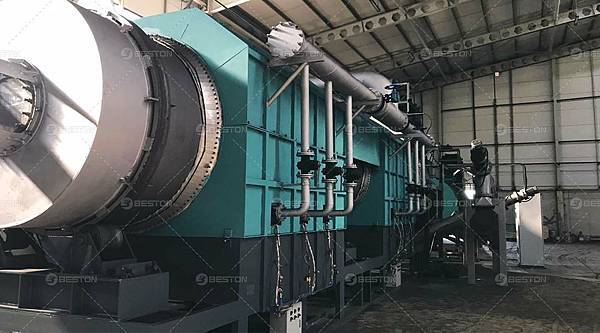
Bamboo charcoal production involves subjecting bamboo to controlled pyrolysis, a process where organic materials are heated in the absence of oxygen. This results in the decomposition of bamboo fibers, yielding charcoal as the primary product. The process typically utilizes a specialized apparatus known as a bamboo charcoal making machine, designed to optimize the efficiency of pyrolysis.

Key Steps in Bamboo Charcoal Production:

  1. Selection of Raw Materials: High-quality bamboo species are carefully chosen for their optimal fiber content and density, ensuring superior charcoal yield.

Slesintsende 發表在 痞客邦 留言(0) 人氣()

Understanding the Mechanics of

Thermal desorption units represent a cornerstone technology in the realm of environmental remediation and waste management. These sophisticated systems play a pivotal role in removing contaminants from various matrices, ranging from soil and sediment to sludge and hazardous waste. In this comprehensive guide, we delve into the intricate workings of a thermal desorption unit to unravel its mechanisms and applications.

The Core Principles

At its essence, a thermal desorption unit operates on the principle of thermally-induced volatilization, leveraging heat to drive off contaminants from solid or liquid matrices. This process exploits the differences in volatility and vapor pressure between target contaminants and the surrounding matrix to effect separation and purification.

Components of a Thermal Desorption Unit

A typical thermal desorption unit comprises several key components, each serving a distinct function in the remediation process:

Slesintsende 發表在 痞客邦 留言(0) 人氣()

Mobile Biochar Machine Vs. Tra

In the realm of sustainable biomass conversion, the emergence of mobile biochar machines has sparked considerable interest and debate. These innovative devices promise to revolutionize the production of biochar, offering mobility, efficiency, and environmental benefits compared to traditional charcoal kilns. In this comprehensive analysis, we delve into the intricacies of mobile biochar machines and compare them with their conventional counterparts to elucidate their respective advantages and limitations.

Understanding Mobile Biochar Machines

A mobile biochar machine is a portable apparatus designed for on-site biochar production from various biomass feedstocks. Unlike traditional charcoal kilns, which are stationary structures, mobile biochar machines offer flexibility and versatility, allowing operators to deploy them directly at the source of biomass generation. These machines typically employ pyrolysis, a thermal decomposition process in the absence of oxygen, to convert biomass into biochar, along with valuable byproducts such as bio-oil and syngas.

Key Features and Advantages of Mobile Biochar Machines

Portability and Mobility

Slesintsende 發表在 痞客邦 留言(0) 人氣()

Continuous Tyre Pyrolysis Plan

In the ever-evolving landscape of waste management, the continuous tyre pyrolysis plant emerges as a beacon of sustainability, transforming discarded tires into valuable resources. This technological marvel marks a paradigm shift in tire recycling, offering a large-scale solution that combines efficiency and environmental responsibility.

Understanding the Tyre Waste Challenge

The menace of discarded tires, with their proclivity for environmental harm, necessitates a sophisticated approach to recycling. Traditional methods often fall short, leading to landfills saturated with non-biodegradable rubber. Here, the continuous tyre pyrolysis plant steps in, reshaping the dynamics of tire waste management.

Pyrolysis at Its Pinnacle

At the core of this innovation lies the process of pyrolysis, a thermochemical decomposition method that transcends conventional recycling approaches. The continuous tyre pyrolysis plant orchestrates a seamless flow of tires through a meticulously designed system, subjecting them to controlled high temperatures in the absence of oxygen.

Slesintsende 發表在 痞客邦 留言(0) 人氣()

Decoding Mobile Biochar Machin

Unveiling the Future: Decoding Mobile Biochar Machines vs. Traditional Charcoal Furnaces

In the dynamic landscape of sustainable technologies, the clash between tradition and innovation often sparks a fascinating discourse. The realms of mobile biochar machines and traditional charcoal furnaces epitomize this juxtaposition, presenting stakeholders with choices that extend beyond the conventional. In this exploration, we dissect the intricacies, benefits, and challenges surrounding these two approaches to charcoal production.

Understanding the Essence of Biochar Technology

Before delving into the comparative analysis, it is imperative to grasp the essence of biochar technology. Biochar, a carbon-rich material produced from biomass through a process called pyrolysis, has emerged as a sustainable solution for soil enhancement and carbon sequestration. The dichotomy arises when deciding between the mobility of modern biochar machines and the established functionality of traditional charcoal furnaces.

Mobile Biochar Machines: Pioneering a New Frontier

Slesintsende 發表在 痞客邦 留言(0) 人氣()

Jute Stick Charcoal Making Mac

In the dynamic landscape of eco-friendly technologies, the jute stick charcoal machine emerges as a pivotal player, offering a sustainable solution to the age-old challenge of charcoal production. This article not only explores the intricacies of these machines but also delves into the factors influencing the charcoal making machine price.

Harnessing the Potential of Jute Stick Charcoal Machines

  1. Innovative Jute Stick Charcoal Machine Technology: At the core of this green revolution lies the ingenious design of the jute stick charcoal machine. Unlike traditional methods, these machines utilize advanced technologies to efficiently convert jute sticks, a byproduct of the textile industry, into high-quality charcoal.

  2. Pyrolysis: The Heart of the Process: The process revolves around pyrolysis, a controlled heating technique in the absence of oxygen. This thermal decomposition transforms jute sticks into charcoal, ensuring a clean and sustainable conversion with minimal environmental impact.

  3. Sustainable Resource Management: One of the distinguishing features of the jute stick charcoal machine is its focus on sustainable resource management. By repurposing jute sticks, a material that would otherwise be considered waste, these machines contribute to a circular economy, reducing the burden on natural resources.

Slesintsende 發表在 痞客邦 留言(0) 人氣()

Maximizing Returns: Investment

Investing in biomass recycling projects has emerged as a prudent avenue, combining environmental stewardship with economic viability. As the world grapples with the imperative to adopt sustainable practices, charcoal making machine price becomes a pivotal consideration in the broader spectrum of investment strategies. Let's delve into the intricacies of navigating this burgeoning landscape.

Understanding Biomass Recycling Dynamics

Biomass recycling involves harnessing organic materials, such as agricultural residues and forestry byproducts, to produce valuable commodities like biochar and renewable energy. The cornerstone of a successful venture lies in a strategic investment approach, carefully calibrated to maximize returns.

Biochar Production and its Economic Implications

Biochar, a carbon-rich product obtained through the pyrolysis of biomass, holds promise as a soil conditioner and carbon sequestration tool. The economic viability of biomass recycling projects hinges on the efficient production and utilization of biochar. This necessitates a keen understanding of the entire production chain, from biomass collection to the market deployment of biochar.

Slesintsende 發表在 痞客邦 留言(0) 人氣()

Unveiling the Eco-Friendly Alt

In the realm of sustainable practices, the recycling of sawdust has emerged as a crucial facet, paving the way for innovative solutions. Sawdust charcoal making machines and wood charcoal making machines stand out as two prominent methodologies, each with its distinct advantages. In this exploration, we delve into the intricacies of these processes, dissecting their mechanics and environmental impact.

Sawdust Charcoal Making Machine: Unveiling the Mechanism

The first contender in our comparison is the sawdust charcoal making machine, a sophisticated apparatus designed for optimal efficiency. This intricate system involves a pyrolysis process, where sawdust undergoes thermal decomposition in the absence of oxygen. The resulting charcoal is a byproduct of this intricate dance between temperature, time, and controlled environmental conditions.

Environmental Harmony Through Carbonization

The allure of the sawdust charcoal making machine lies in its ability to perform carbonization, a process that converts organic materials into carbon-rich substances. This method not only rids the environment of excess sawdust but also provides a sustainable alternative to traditional charcoal production.

Slesintsende 發表在 痞客邦 留言(0) 人氣()

undefined

Are you presently thinking about buying a biomass pyrolysis plant? If you're checking out purchasing pyrolysis equipment, and you wish to learn more about the advantages it offers, look for about a few of the numerous advantages available below.

It Reduces Waste

One of the biggest advantages of pyrolysis is that it's successful at reducing waste. It is a successful strategy to convert many waste matter into usable goods. The truth is, with pyrolysis, waste materials like rubber tires might be changed into materials that have high value, like oil.

Without pyrolysis, most of these materials would wind up within a landfill. With pyrolysis, it's easy to still utilize these materials. It's more significant than ever to consider the level of waste that people produce and to find strategies to reduce waste.

It Can Lower Emissions

Slesintsende 發表在 痞客邦 留言(0) 人氣()

undefined

Introduction

In today's world, the efficient management of waste and the recovery of valuable resources are pressing concerns. The continuous pyrolysis plant has emerged as a transformative technology in the field of waste recycling and resource recovery. This article explores the continuous pyrolysis plant, its working principle, advantages, applications, and important factors to consider when selecting the right plant for your needs.

Understanding Continuous Pyrolysis Plant

Definition and Process

A continuous pyrolysis plant is an advanced waste recycling system that employs pyrolysis, a thermal decomposition process, to convert various types of waste materials into valuable products. It operates in a continuous manner, allowing for uninterrupted processing of waste.

Slesintsende 發表在 痞客邦 留言(0) 人氣()

undefined

Pyrolysis plants are essential in converting waste materials into valuable resources through the process of pyrolysis. Two commonly used types of pyrolysis plants are continuous pyrolysis plants and batch pyrolysis plants. In this article, we will explore the differences between these two plant types, including their operational processes, advantages, and various factors that influence their efficiency and effectiveness.

Continuous Pyrolysis Plant

Definition and Function

A continuous pyrolysis plant is a type of pyrolysis plant that operates continuously without interruption. It is designed to handle a large volume of waste materials and convert them into useful products continuously.

Operational Process

Slesintsende 發表在 痞客邦 留言(0) 人氣()

Kenyan Customers Make Charcoal Successfully.jpg

The best manufacturer provides a very inexpensive strategy to recycle old sawdust. During this process, the economic value is likewise increased. This technique is pretty basic and converts sawdust into charcoal within 20 minutes. Since the process is continuous and sealed, it can be safer so read on since we dive in.

This equipment is already employed in several countries around the globe. Included in this are Russia, Ukraine, Spain, and several others. Successful cases already are being globally discussed given that they provide you with the ability to recycle various raw materials. The method employed is very easy and can be done within four parts.

Before materials are processed, they must first undergo the pretreatment phase. Moisture should invariably be below 20%. Hence, the sawdust could be processed through a dryer. The dried sawdust then heads for the carbonization furnace where it can be heated.

Ever since the reactor is constantly being heated, combustible gas is generated. Another byproduct of the process is sulfur and smoke discharge. Manufacturers have ensured that the machines uphold the greatest environmental standards. Consequently, an exclusive residual emission system is installed with the machine.

A dedusting technique is also put in place to ensure that you eliminate any combustible and sulfur gas produced. After purification, they can then be changed into wood vinegar and tar with the condenser system. If the mentioned before steps are completed, the produced combustible gas will then be recycled as a form of heat.

Slesintsende 發表在 痞客邦 留言(0) 人氣()

1 2 3 4 5
Blog Stats
⚠️

成人內容提醒

本部落格內容僅限年滿十八歲者瀏覽。
若您未滿十八歲,請立即離開。

已滿十八歲者,亦請勿將內容提供給未成年人士。